620 francs end up in the trash: That's how much food the Swiss waste each year
To mark National Week Against Food Waste, Too Good To Go shows how small habits can reduce food waste at home

To mark National Week Against food waste, September 12–20, Too Good To Go shows how simple habits can reduce food waste and why, mathematically speaking, more than an average monthly grocery budget ends up in the trash every year.
Yesterday’s bread, a yogurt that’s past its best-by date, or vegetables forgotten in the fridge: What may seem like a small amount individually adds up over the course of a year. According to Too Good To Go, food worth around 620 francs per person is wasted in Switzerland.[1] By way of comparison: Budgetberatung Schweiz estimates that a person living alone spends about 370 to 500 francs per month on food and non-alcoholic beverages. This means that, mathematically speaking, more than an average monthly food budget ends up in the trash every year.[2]
To mark National Week Against Food Waste from September 12 to 20, 2026, Too Good To Go is highlighting the potential of a more mindful approach to food—both for the environment and for one’s own budget.

Switzerland is still far from meeting its food waste target
Switzerland still generates around 2.8 million metric tons of food loss annually across the entire value chain, which equates to about 310 kilograms of avoidable loss per person per year.[3]
By 2025, avoidable food loss was supposed to decrease by 25 percent compared to 2017. In reality, per capita food loss was reduced by only about five percent during this period.[4] The long-term goal remains ambitious: By 2030, Switzerland aims to halve avoidable food loss compared to 2017.[5]
While companies in the retail and foodservice sectors—which systematically track their losses—are making progress, the Federal Council sees a need for further action among private households. [6]
Food waste often starts with small decisions
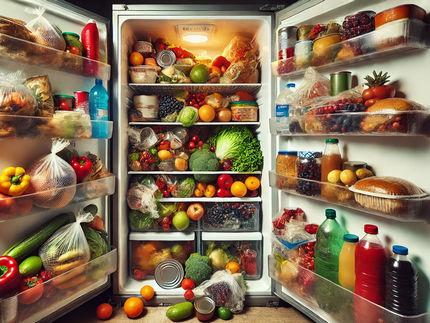
In households, food loss occurs, for example, when people buy too much, forget what they already have, or prematurely discard food that is still edible. A more mindful approach therefore begins with planning your shopping and extends to the storage and use of food.
“Reducing food waste doesn’t have to be complicated. It’s the everyday decisions that, when added up, make a difference. If we shop for food more mindfully, use it for longer, and save leftovers, more of what has already been produced is preserved,” says Georg Strasser-Müller, Country Director of Too Good To Go Switzerland and Austria.
Four Simple Habits to Combat Food Waste in Everyday Life
1. Look first, then shop. Before going shopping, it’s worth taking a look in the refrigerator and pantry. Roughly planning your meals also helps ensure you buy only the food you actually need and avoid buying duplicates. 2. Understand best-by dates correctly. The best-by date is the manufacturer’s guarantee that the product will remain of good quality until the printed date. However, products are often still good for longer, and a sensory check—looking, smelling, and tasting—helps determine whether they’re still safe to eat. 3. Make leftovers visible. Move opened food items and those that need to be consumed soon to the front of the refrigerator and plan your meals accordingly. 4. Save surplus food. Even with good planning, bakeries, restaurants, hotels, and retailers end up with food that can no longer be sold at regular prices. Through Too Good To Go, consumers can rescue such food at a reduced price.
Every step counts
In the second phase of its action plan against food waste, the Federal Council continues to rely on voluntary measures and greater involvement of the various stakeholders along the food value chain. At the same time, private households should be made more aware of food loss.3 The National Week Against Food Waste provides a concrete opportunity for this: it highlights food waste and shows that change doesn’t have to start with major political or economic measures. How we handle food in our daily lives can also make a difference.
Note: This article has been translated using a computer system without human intervention. LUMITOS offers these automatic translations to present a wider range of current news. Since this article has been translated with automatic translation, it is possible that it contains errors in vocabulary, syntax or grammar. The original article in German can be found here.
Other news from the department politics & laws








Most read news











More news from our other portals






























See the theme worlds for related content
Topic world Food safety
Food safety is at the heart of the food and beverage industry. It ensures that the food we eat every day is not only nutritious, but also free of harmful contaminants. From field to plate, the industry monitors and regulates every step of the process with strict quality controls, advanced testing methods and continuous research.

Topic world Food safety
Food safety is at the heart of the food and beverage industry. It ensures that the food we eat every day is not only nutritious, but also free of harmful contaminants. From field to plate, the industry monitors and regulates every step of the process with strict quality controls, advanced testing methods and continuous research.