Most consumers say they plan to buy fewer sugary drinks because of the sugar tax
Above all, the price is prompting heavy users to reconsider; health concerns play a secondary role for them
Advertisement


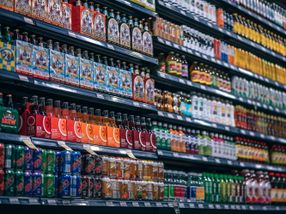
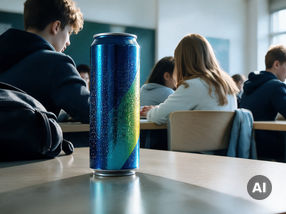
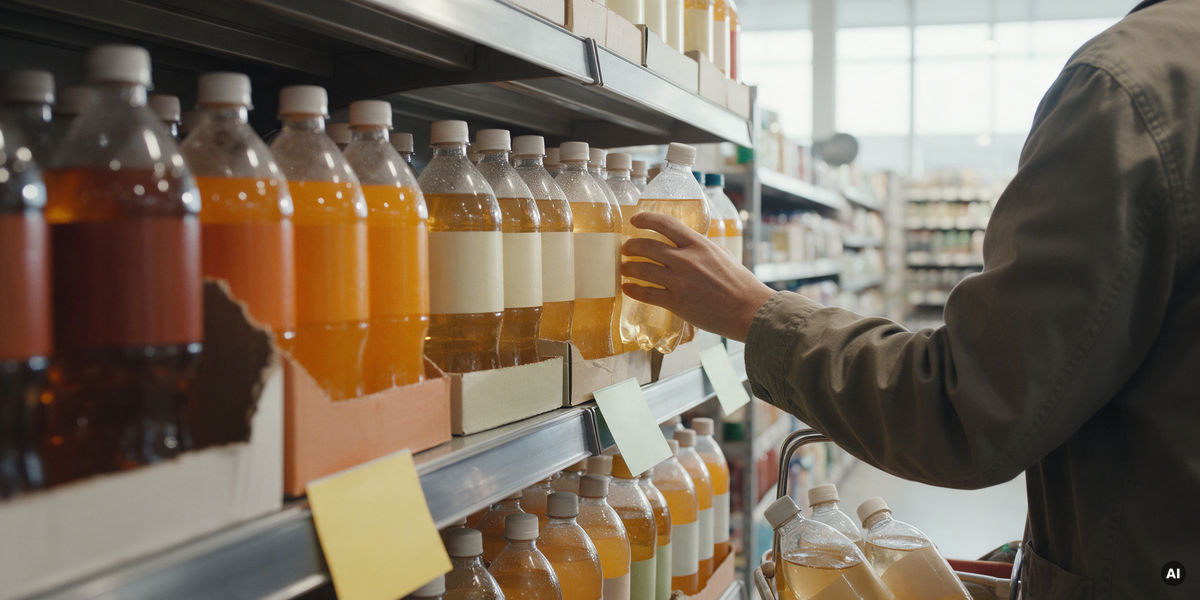
More than three-quarters of consumers (77%) are willing to reduce their consumption or stop drinking beverages subject to the sugar tax altogether in the future. For those who drink sugary beverages every day, higher prices are the main reason for changing their habits (58%). * Nearly one in two (48%) expects retailers to offer a wider selection of sugar-free and reduced-sugar beverages.
The planned sugar tax on sweetened beverages could significantly change consumers’ purchasing behavior. In a representative survey of 1,000 people in Germany, 77 percent said they intend to reduce their consumption or avoid these beverages entirely. Conducted from October 16 to 21, the survey captures initial consumer reactions following the cabinet’s decision on the sugar tax. Even a tax surcharge of 26 cents per liter could prompt many to switch. There are noticeable differences between various consumer groups. Among those who consume these beverages at least once a day (heavy users), 69 percent would reduce or stop their consumption.
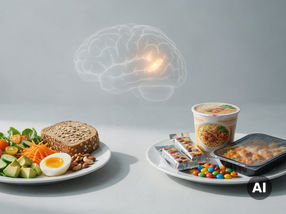
For 58 percent of them, avoiding the price increase is a key reason for adjusting their purchasing behavior. Health-related motives, on the other hand, play a lesser role: 36 percent cite the desire for a healthier diet, while 34 percent cite the desire to reduce their sugar intake. On average, the group of heavy users is younger and has a lower income than the rest of the respondents. Among occasional consumers, the picture is more balanced: here, financial (57%) and health-related (53%) motives are cited with similar frequency. “It is currently unclear to what extent manufacturers and retailers will pass on the sugar tax to consumers. However, our findings suggest that the measure will have a significant steering effect,” says Egbert Wege, retail expert and partner at Deloitte.
Sweet flavors remain in demand
At the same time, the survey shows that the planned sugar tax will not automatically lead to a shift away from sweet beverages. Instead, many consumers want to switch to zero-calorie beverages with sweeteners (37%) or reduced-sugar products (27%). Heavy users, in particular, remain loyal to the “sweet” flavor profile and show interest in tax-free alternatives with reduced sugar content (34%). Their primary goal is to save money, and they expect retailers to cushion the price increase through measures such as discounts and private-label versions of sugary drinks (49%). Among the remaining consumers, however, the top request for retailers is to expand their product range to include reduced-sugar or sugar-free formulations (50%).
“Many consumers don’t want to sacrifice taste; rather, they want to switch to reformulated products. That is precisely where the real challenge lies: manufacturers and retailers would be well advised to rethink their portfolios to prepare for the shift in demand. Simply dealing with the bureaucratic aspects of the tax isn’t enough,” says Egbert Wege.
Note: This article has been translated using a computer system without human intervention. LUMITOS offers these automatic translations to present a wider range of current news. Since this article has been translated with automatic translation, it is possible that it contains errors in vocabulary, syntax or grammar. The original article in German can be found here.


Other news from the department politics & laws