Cereulid in Infant Formula Highlights the Importance of the Rapid Alert System
How an EU Early Warning System Shed Light on Global Supply Chains
Advertisement


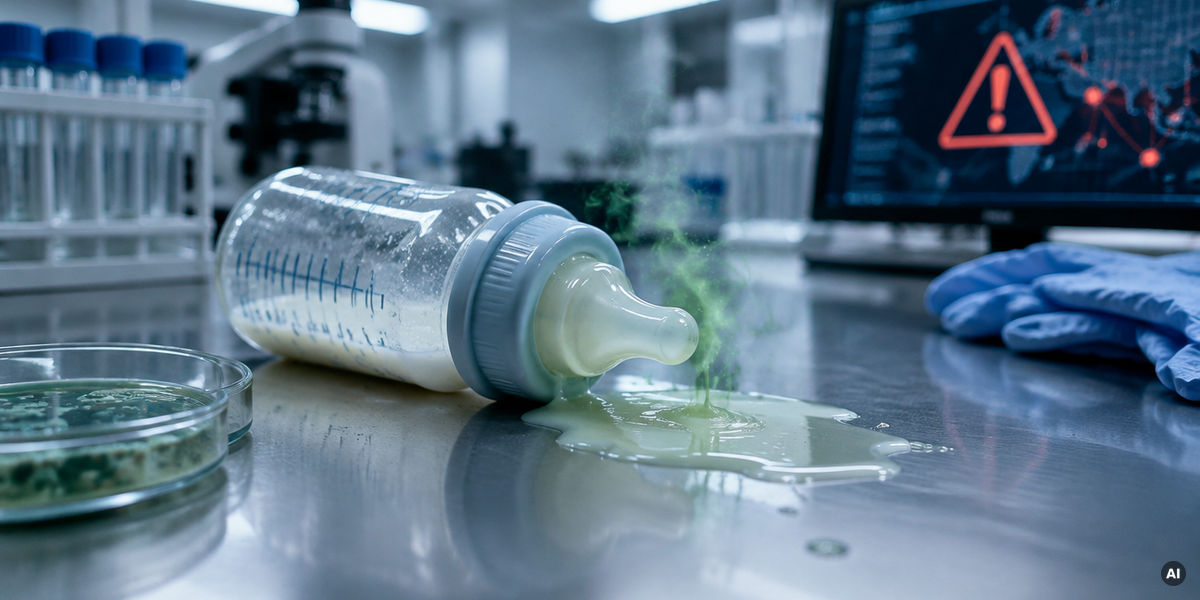
In 2025, more than 5,300 initial reports and approximately 18,000 follow-up reports were once again submitted through the European Rapid Alert System for Food and Feed (RASFF). The cereulide contamination in infant formula, which was detected in December 2025, is one of the most significant incidents in the food sector in recent years. “The harmful contamination of infant formula with cereulide underscores the central importance of the European Rapid Alert System for cross-border coordination among member states and the protection of public health,” says Prof. Dr. Gaby-Fleur Böl, President of the Federal Office for consumer protection and food safety (BVL).
Cereulide is a particularly heat-stable toxin produced by certain strains of the bacterium Bacillus cereus. Within a few hours of ingestion, it can cause nausea and vomiting and, in rare cases, severe, life-threatening poisoning. In late 2025, traces of cereulide were detected for the first time in infant formula from a Dutch manufacturer, and the relevant authorities as well as the European Commission were notified. As a result, the incident was included in the RASFF. This is according to the European Commission’s ACN annual report. In January 2026, the cause was identified as contaminated arachidonic acid oil that had been added to the infant formula. Using the information shared through the Rapid Alert System, a common Chinese supplier was identified, and it became apparent that products from other manufacturers and recipients worldwide were also affected.
To enable rapid traceability of the potentially contaminated products and the implementation of targeted risk management measures, more than 20 initial reports—with approximately 600 follow-up reports—regarding the Cereulid incident were shared in the RASFF through May 2026, including 13 reports in which Germany was also involved. Recalls of affected products were also published via the joint consumer protection portal of the BVL and the federal states, lebensmittelwarnung.de.
With more than 700 original notifications submitted, Germany accounted for approximately 13 percent of RASFF notifications in 2025. Only the Netherlands recorded a higher number, with a total of 817 notifications. In total, Germany was listed as the recipient of 1,145 RASFF notifications concerning food, feed, or food contact materials that posed a potential health risk. A large portion of the notifications was based on official market inspections (1,768 notifications; 33%), border controls (1,650 notifications; 31%), or in-house controls by businesses (1,446 notifications; 27%). In addition, reports from consumers or other informants (341 reports; 6%), media monitoring (87 reports; 2%), and foodborne disease outbreaks (36 reports; 1%) to the submission of reports to the Rapid Alert System.
Background:
RASFF stands for “Rapid Alert System for Food and Feed” and is the rapid alert system for food and feed operated by the European Commission. As the national contact point for Germany, the BVL ensures the cross-border exchange of information among the relevant institutions and authorities. The BVL forwards notifications from other member states to the affected federal states and transmits national notifications to the European Commission. The exchange of information takes place via an online platform called “iRASFF” (Interactive RASFF).
Note: This article has been translated using a computer system without human intervention. LUMITOS offers these automatic translations to present a wider range of current news. Since this article has been translated with automatic translation, it is possible that it contains errors in vocabulary, syntax or grammar. The original article in German can be found here.


Other news from the department politics & laws











Most read news












More news from our other portals

























See the theme worlds for related content
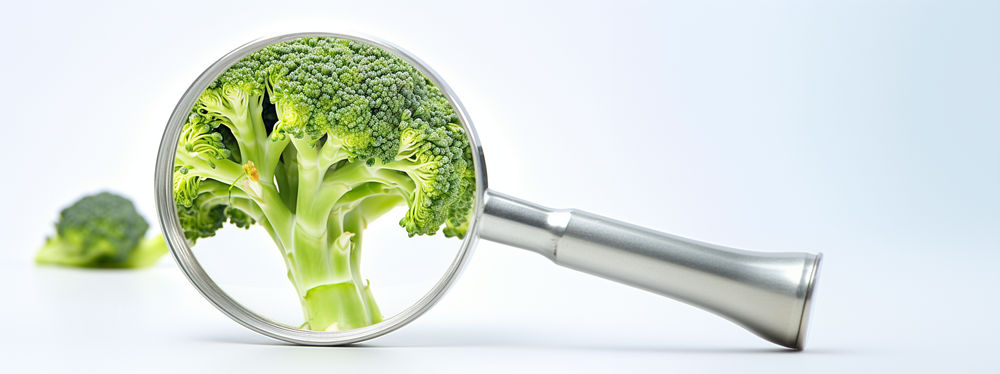
Topic world Food safety
Food safety is at the heart of the food and beverage industry. It ensures that the food we eat every day is not only nutritious, but also free of harmful contaminants. From field to plate, the industry monitors and regulates every step of the process with strict quality controls, advanced testing methods and continuous research.
Topic world Food safety
Food safety is at the heart of the food and beverage industry. It ensures that the food we eat every day is not only nutritious, but also free of harmful contaminants. From field to plate, the industry monitors and regulates every step of the process with strict quality controls, advanced testing methods and continuous research.