Effect of climate change: Moderate heat is enough to trigger signs of inflammation and coagulation in dairy cows
FBN Study: Bacterial endotoxins enter the bloodstream even under moderate heat stress (THI 76)
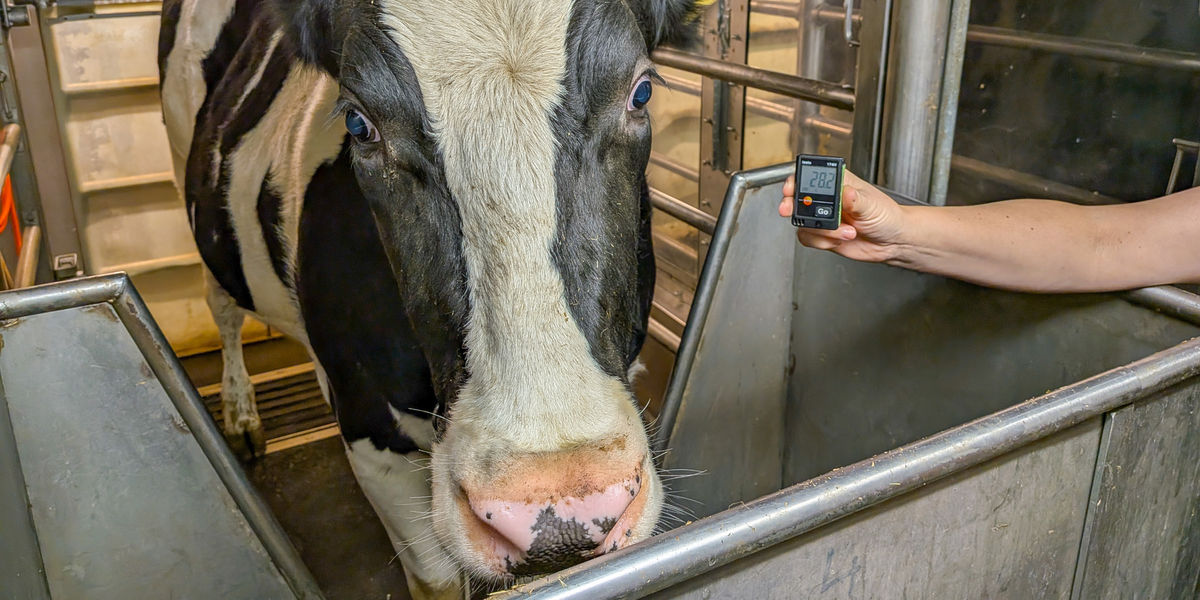
New study by the Research Institute for Farm Animal Biology: Even at a temperature of 28 °C (THI 76), bacterial endotoxins enter the bloodstream and initiate the first inflammatory processes.
Climate change is transforming livestock farming – and at a faster rate than many anticipate. More frequent and intense heatwaves place a heavy physiological strain on dairy cows. Scientists at the Research Institute for Farm Animal Biology (FBN) have now demonstrated that even moderate heat stress causes measurable changes in the blood of Holstein cows. These include signs of inflammatory processes and the activation of blood clotting. At the same time, certain defence mechanisms in peripheral blood mononuclear cells (PBMCs) are suppressed. These effects were already evident after just seven days of heat stress and provide veterinarian and dairy farmers with concrete indicators for recognising and counteracting heat stress at an early stage.
“When cows are affected by the heat, their entire organism reacts,” explains Dr Franziska Koch from the FBN. “Changes in the blood, a weakened immune system and early signs of coagulation can reduce the animals’ performance and increase their susceptibility to disease. The fact that these processes begin even at moderate temperatures highlights the importance of consistent heat management in the barn.”
Under these environmental conditions, the researchers found bacterial components (endotoxins from Gram-negative bacteria) in the blood, and the concentration of these components rose as heat stress increased. At the same time, the body’s immune system responded by triggering inflammatory processes to remove these foreign components from the blood. However, certain defence pathways – which are usually important for a targeted adaptive immune response – were suppressed. Furthermore, the low number of blood platelets indicated an activated coagulation cascade – a finding that was previously only observed in cases of severe heat stress with a fatal outcome.
Why this is important
Dairy cows naturally produce a great amount of heat. When it is warm outside, their bodies find it difficult to dissipate this heat and activate cooling processes. This can temporarily increase the permeability of the intestinal barrier, allowing endotoxins to enter the bloodstream and trigger inflammatory processes. The new data show that this process begins even in moderate heat. In terms of day-to-day operations on dairy farms, this means taking countermeasures earlier and improving the barn environment. This can be achieved by shifting watering and feeding times to cooler periods of the day, and keeping a close eye on water and feed intake of the dairy cows. For veterinary interventions, it may be important to check blood clotting in individual cases in the laboratory in order to better assess the animal’s physiological condition.
About the study
Holstein dairy cows were studied under controlled conditions of moderate heat stress (THI 76, approximately 28 °C) for a period of seven days. Immune responses and coagulation markers were recorded over time from the blood samples taken at regular intervals. These results provide valuable insights for the effective heat management in barns, as well as for veterinary practice.
What does THI mean?
The Temperature-Humidity Index (THI) is a parameter that combines temperature and relative humidity. It is used in dairy cows to estimate the threshold for heat stress.
-For lactating dairy cows, a THI of around 68 is already considered the threshold for heat stress, at which point the first negative signs appear.
-A THI of 76 corresponds to approximately to 28°C with medium humidity and indicates moderate heat stress.
-A THI >78 leads to increased heat stress with negative effects on animal health and milk yield.
Original publication
Other news from the department science