Sound can make beer brew faster
Advertisement


Ōtākou Whakaihu Waka researchers have hit the right note to cut down the time it takes to brew beer, without altering its flavour. They have found playing audible sound (white noise) while making beer can reduce the fermentation process by 21-31 hours without significantly affecting the flavour. Lead author Dr Parise Adadi, who completed the study as part of his PhD in Department of Food Science, says this could enable breweries to increase their output, without compromising quality.
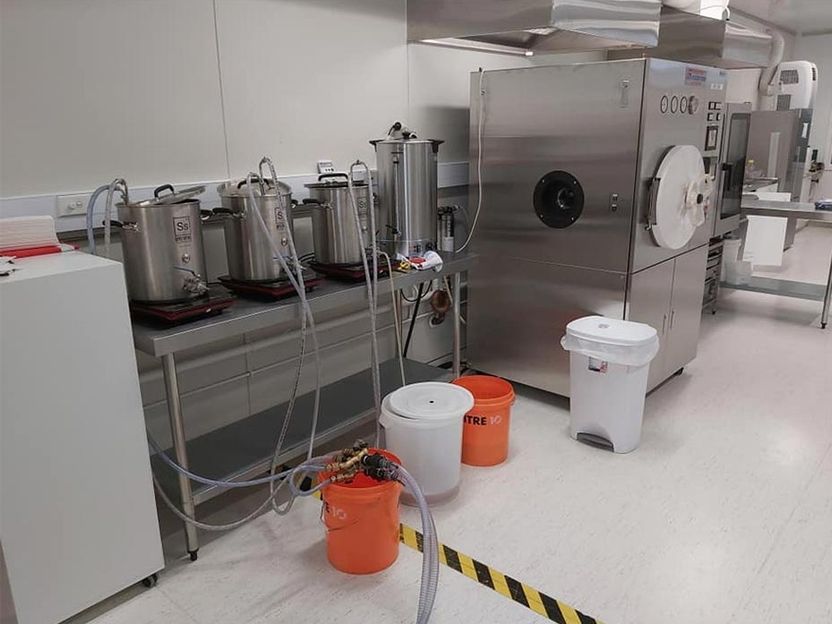
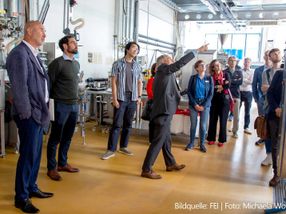
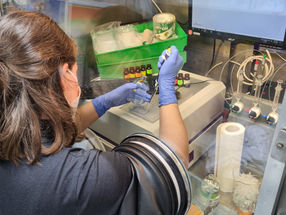
A look behind the scenes of a University of Otago experiment that found sound can speed up the fermentation process of beer by 21-31 hours.
In the study, the researchers used a specialised device called linear actuators (LATs) to deliver the white noise as particle sound energy into the fermenting beer. As a result, the yeast growth intensified, significantly accelerating the fermentation.
Dr Adadi says this is both exciting and revolutionary. “These findings could pave the way for innovative research directions, benefitting breweries, yeast manufacturers, and the broader food industry.”

The researchers conducted independent fermentation experiments using standardised wort, the liquid extracted from malt during the mashing process when brewing beer or whisky.
One batch of beer was subjected to continuous sound stimulation (800–2000 Hz @ ~140 dB) using LATs and a control batch was not. The one exposed to sound fermented faster.
“The application of sound stimulation increased the yeast growth by maintaining a higher concentration of yeast cells in suspension,” Dr Adadi says.
“The sound energy stimulated cellular processes and metabolic pathways, enhancing yeast growth and activity. This led to faster consumption of wort sugars and subsequent production of alcohol; but importantly did not significantly alter the flavour composition of the final beer.”
Applying the findings in real-world circumstances could have a substantial impact on the beer industry, he says.
“Faster fermentation times would enhance production efficiency, enabling breweries to increase output while preserving beer quality. Since the process has minimal influence on volatile organic compound production, brewers can maintain desired flavour profiles, ensuring consistency in taste and aroma.
“Furthermore, if audible sound stimulation proves scalable, it could revolutionise fermentation technology, sparking innovations across other fermented products such as wine and spirits.”
The study was part of an MBIE funded SmartIdea project in collaboration with the University of Auckland.
Original publication



Other news from the department science