Thünen Institute Launches New Focus Area on One Health
Human, Animal, and Environmental Health—Why One Cannot Exist Without the Other
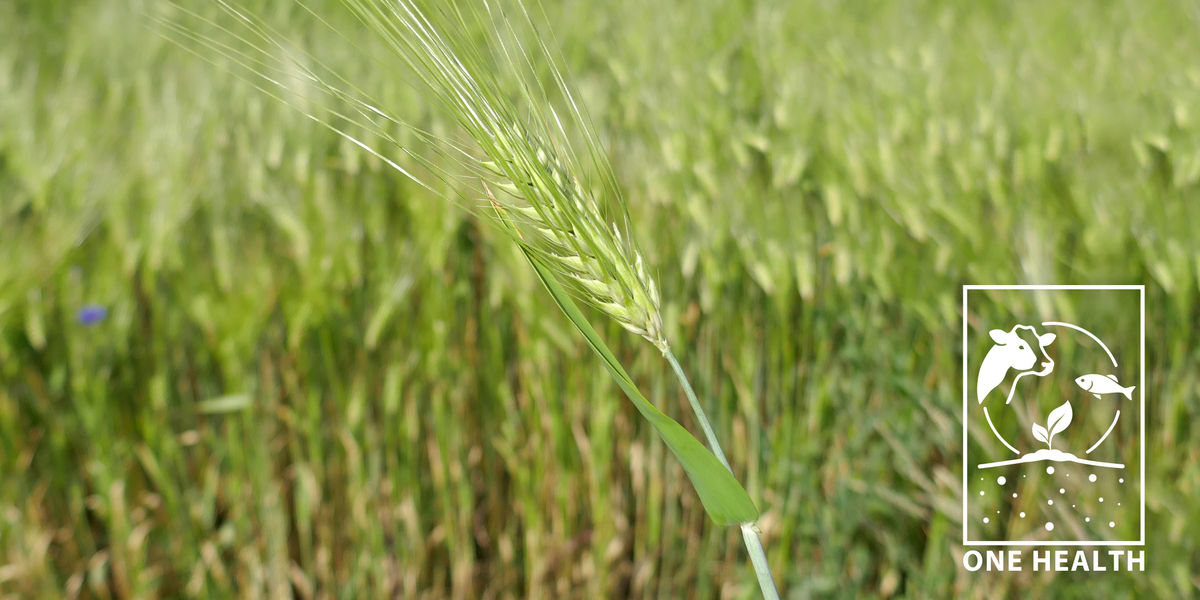
What we eat has an impact far beyond our own plates. That is why the One Health approach views human, animal, and environmental health as parts of a shared system. Research on this topic is being conducted in various areas at the Thünen Institute. This thematic focus provides an overview.
Behind every food item are animals, soils, and ecosystems. The One Health approach therefore does not view human, animal, and environmental health in isolation, but rather as parts of a shared system. In its new “One Health” thematic focus, the Thünen Institute will demonstrate in the coming weeks how closely human, animal, and environmental health are interlinked, and which research findings, data, and approaches support making agricultural and food systems sustainable for the future. Researchers from the Thünen Institutes for Agricultural Economics, Market Analysis, Agricultural Climate Protection, Agricultural Technology, Organic Farming, Marine Fisheries, Baltic Sea Fisheries, and Fisheries Ecology will contribute their expertise through a wide variety of articles and formats, ranging from explanatory texts to infographics and podcasts. These contributions are marked with the logo and will be compiled into a dossier on the website.
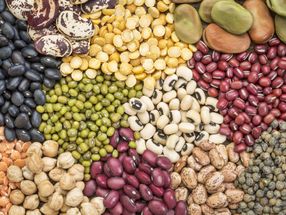
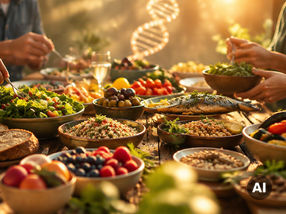
In the coming weeks, you’ll find articles on the website covering topics such as the Planetary Health Diet, legumes and their benefits for the environment, people, and the climate, animal welfare, the circular economy, and soil cultivation, as well as fish as a sustainable food source. These reflect the current state of Thünen research and can be used as background material for your own research.
The path toward an agricultural and food system in line with the One Health approach involves many parallel approaches. Some are in the hands of consumers, while others require systemic changes and policy decisions. Some approaches make existing processes more efficient—for example, by reducing food waste—while others rethink entire systems, as in the circular economy. Some approaches involve a return to old traditions, such as the Sunday roast instead of a daily serving of meat. Others rely on new technologies like indoor farming and alternative food sources such as algae, mussels, and insect protein.
Following “Women in Rural Areas,” “Soil,” and “Water,” this is the fourth thematic focus being implemented by the Thünen Institute.
Note: This article has been translated using a computer system without human intervention. LUMITOS offers these automatic translations to present a wider range of current news. Since this article has been translated with automatic translation, it is possible that it contains errors in vocabulary, syntax or grammar. The original article in German can be found here.

Other news from the department science